
Blackmagic Video Assist 7 12G HDR
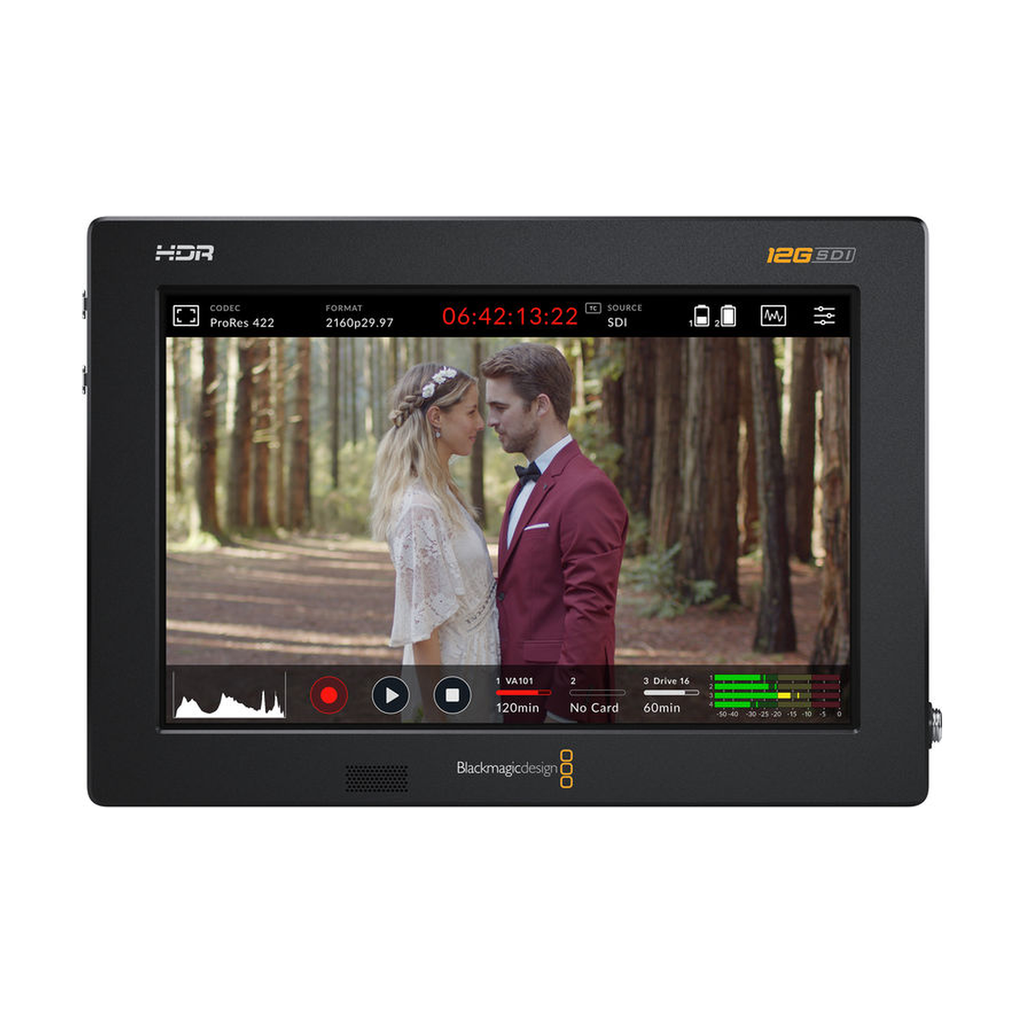
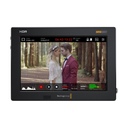
Blackmagic Video Assist 7 12G HDR combines an on-camera monitor, external recorder and video scopes. On location, it gives an operator or focus assistant a larger view for composition and focus; in live production, it can record a switcher program feed or an individual camera feed. Recording in editing-oriented ProRes and DNx formats lets footage move into post production without a mandatory transcoding stage.
The 7-inch 1920 × 1200 touchscreen delivers 2500 nits of brightness for use in strong ambient light. Its wide-gamut P3 display supports HDR10 and HLG. Focus zoom, focus peaking, zebras and false color help assess the shot, while 3D LUTs preview the intended look. Waveform, RGB parade, vectorscope and histogram displays provide additional checks on levels and color, with the option to overlay scopes on the picture.
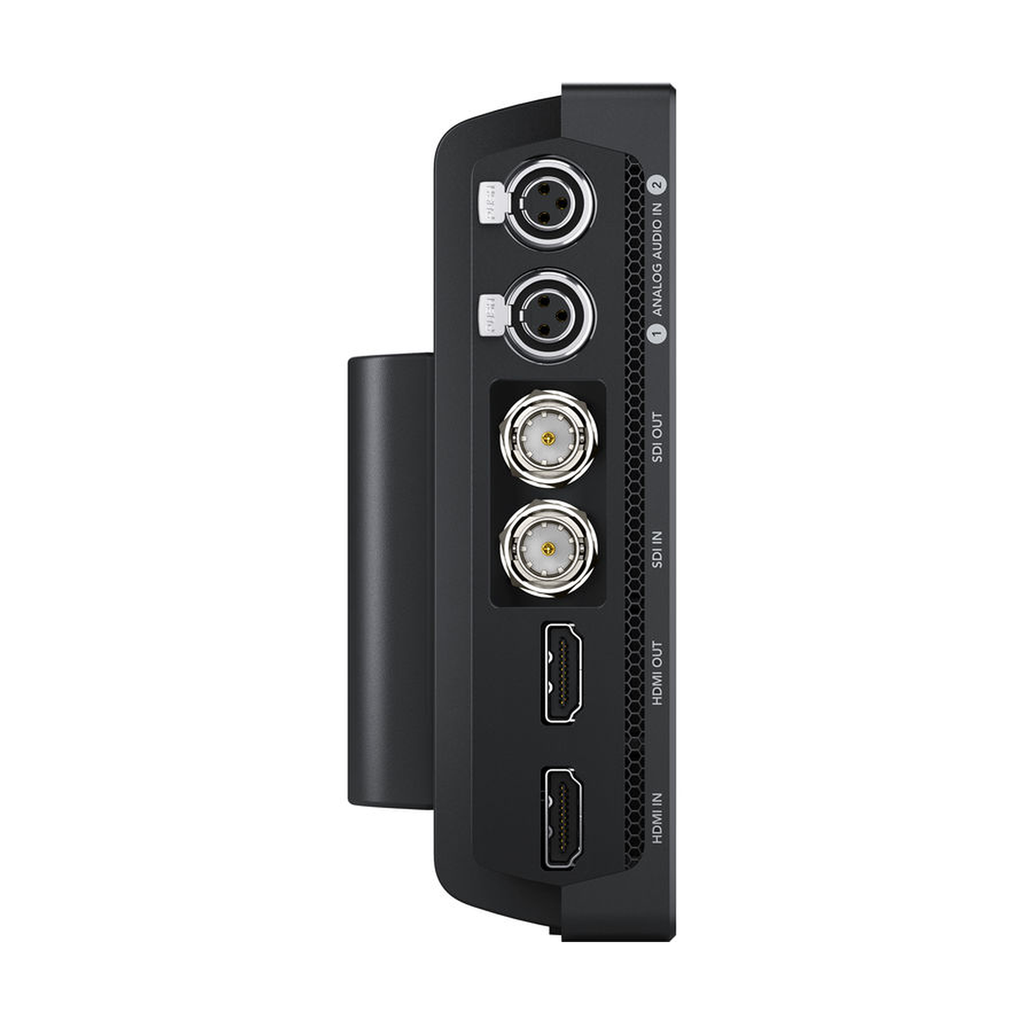
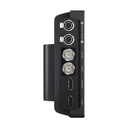
12G-SDI and HDMI 2.0a each provide an input and output for connecting the camera to the next device in the signal path. Ultra HD is supported up to 2160p60, but that does not mean every 4K format runs at the same frame rate: conventional 4K DCI video reaches 30 fps over SDI and 25 fps over HDMI. This makes the unit useful both beside a camera and for checking and recording a switcher output; copy-protected HDMI sources cannot be captured.
Recording and media
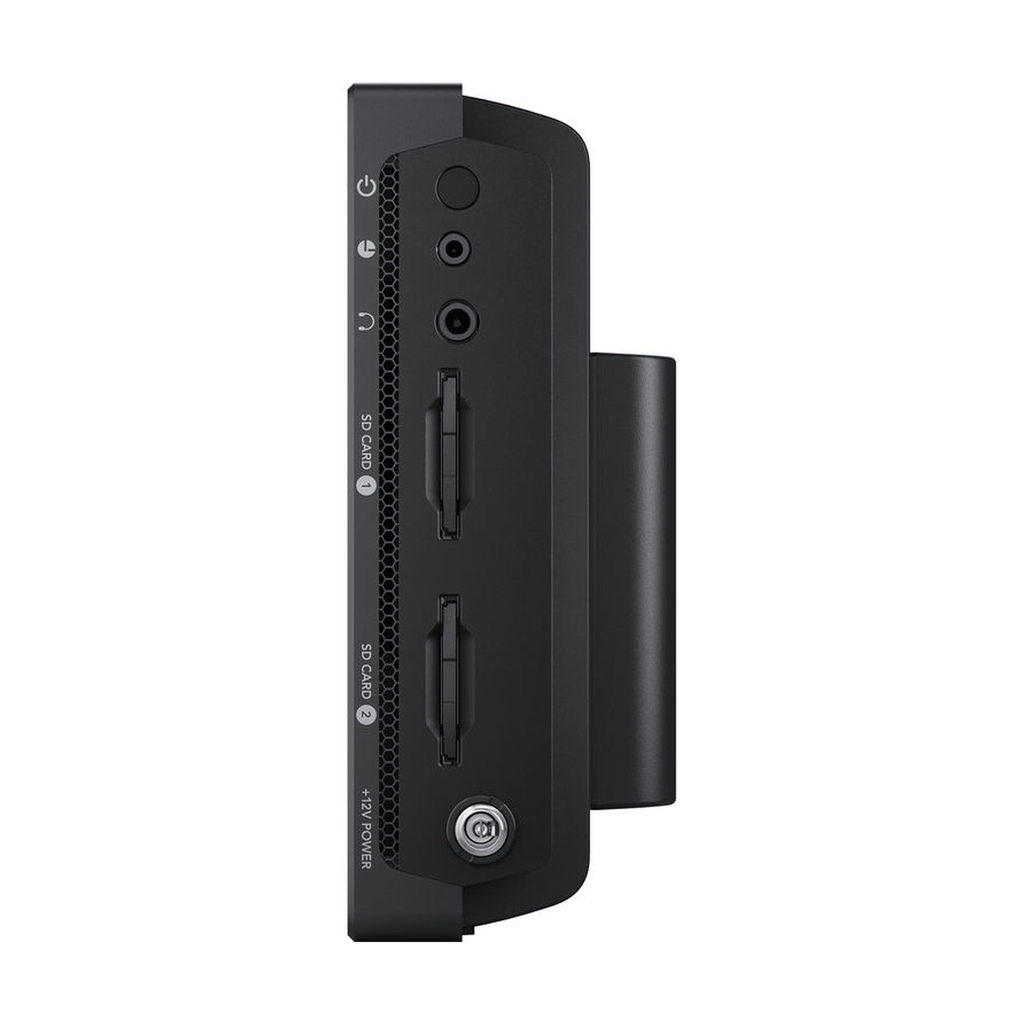
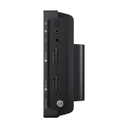
10-bit 4:2:2 ProRes or DNx recording is designed for editing and file delivery. Dual UHS-II SD slots allow automatic rollover to the second card when the first fills, and the full card can be replaced while recording continues. An external disk connected through USB-C 3.1 Gen 1 provides a higher-capacity option. Media must sustain the data rate required by the selected codec, resolution and frame rate; having the correct connector or an SD slot alone does not guarantee reliable recording.
Blackmagic RAW and look control
Blackmagic RAW is available with explicitly supported camera models and their compatible RAW outputs. HDMI or SDI connectivity alone does not establish RAW compatibility. Constant bitrate options include 3:1, 5:1, 8:1 and 12:1, alongside Q0 and Q5 constant quality modes. With this format, a 3D LUT is stored as metadata and can be disabled in post production rather than irreversibly altering the image.
Audio and control
Two balanced mini XLR inputs with 48 V phantom power allow compatible microphones to connect directly. The unit also accepts embedded audio: 16 channels over SDI or 8 over HDMI, with a 3.5 mm headphone output for listening. Settings and playback are controlled from the touchscreen. Recording can be started and stopped through LANC, supported SDI/HDMI commands or timecode run.
Power and practical limits
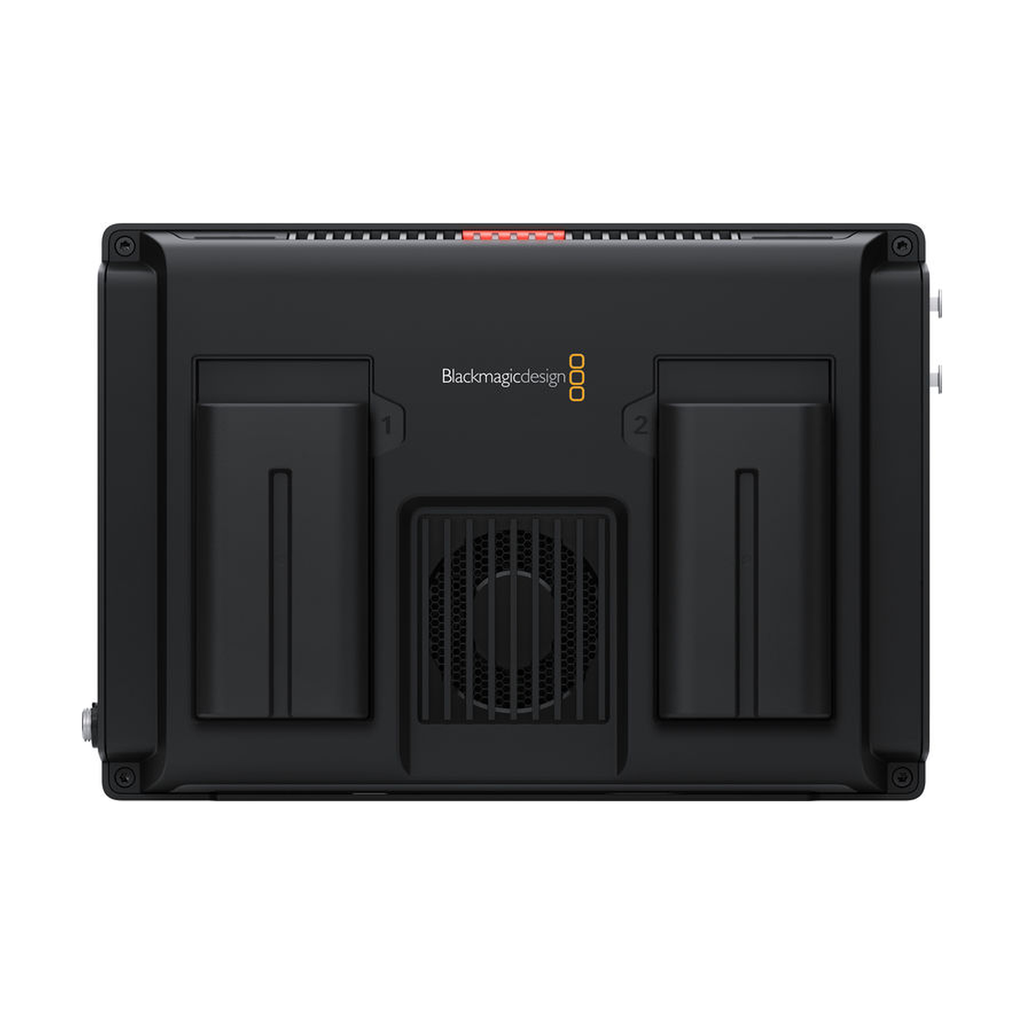
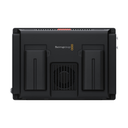
For fixed installations, an external 12 V supply uses a locking connector; for location work, the unit accepts Sony NP-F style batteries. Two battery positions allow a battery to be changed without interrupting recording while the other battery supplies power. Batteries are not included. The operating temperature range is 0 to 40 °C. The USB connection also supports Full HD 1080p webcam output to a computer for software-based streaming; the unit is not a standalone network encoder.
Key Features
- Display: 7 inches, 1920 × 1200, 2500 nits
- HDR monitoring: HDR10 and HLG; P3 color gamut
- Video connections: 1 input and 1 output for 12G-SDI; 1 input and 1 output for HDMI 2.0a
- Ultra HD: up to 2160p60
- Recording media: 2 UHS-II SD slots; external USB-C disk
- Analog audio inputs: 2 balanced mini XLR with 48 V phantom power
Official product page: Blackmagic Video Assist 7 12G HDR
Source: official Blackmagic Design website, catalog and technical specifications. Content has been edited by the KinoArmy AI agent and may contain inaccuracies or errors.